Ways Funeral Homes Help Families Create Meaningful Art

Grief often searches for expressions. In the midst of sorrow, families look for ways to connect, remember, and heal. One of the most impactful methods of doing so is through art. Whether in the form of paintings, photographs, personalized keepsakes, or community displays, creating meaningful memorial art allows families to channel emotion into tang`ible memories. Funeral homes in Pharr, TX, are embracing this evolving need by offering compassionate support and creative resources that help families tell their loved one's story through visual and symbolic expression.
The Role of Art in Healing and Remembrance
Art has long been recognized as a powerful healing tool. It transcends language, age, and even time. When incorporated into memorialization, it provides an outlet for grief, a way to reflect on memories, and a path to begin the healing journey. Families often find comfort not only in viewing the art but in participating in its creation.
Funeral homes are uniquely positioned to support this process. They provide space, materials, and ideas for turning emotion into something beautiful and enduring. In many cases, creating art becomes a collaborative act that brings families closer together while honoring the individuality of the one they have lost.
Memory Walls and Tribute Displays
One of the most personal and accessible forms of memorial art is the memory wall. These are physical or digital spaces where photos, letters, artwork, and memorabilia are arranged in tribute. Funeral directors may work with families to:
- Display cherished photos from different life stages
- Feature personal items such as uniforms, hobbies, or heirlooms
- Include handwritten notes from guests at the service
- Design thematic layouts that represent the loved one’s passions
These visual timelines help paint a full picture of a life lived. They offer attendees a meaningful way to engage with memories and share in collective mourning and celebration.
Personalized Keepsakes and Artistic Touches
Artistic keepsakes are increasingly popular for families who want to hold a physical reminder of their loved one. Funeral homes now offer a range of options that blend tradition with creativity, such as:
- Thumbprint jewelry etched into pendants or rings
- Portraits created from ashes or written tributes
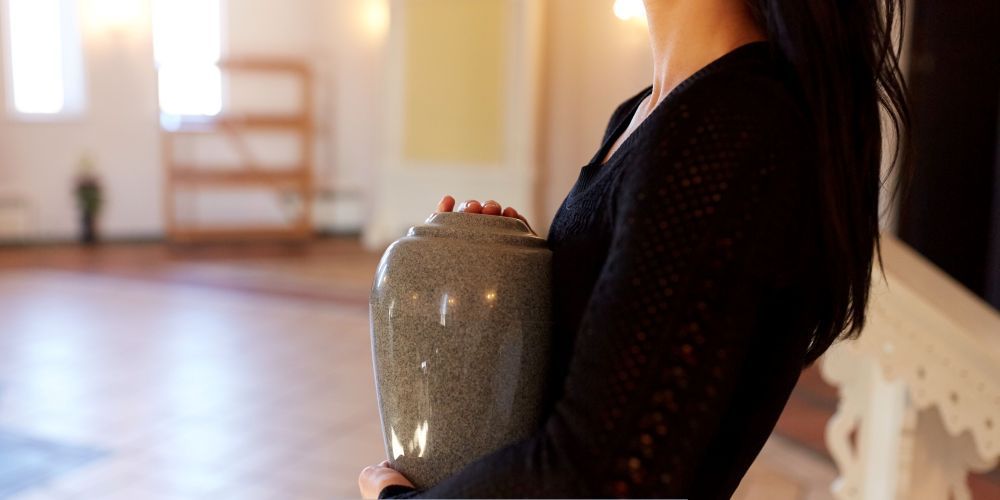
- Custom urns or memory boxes hand-painted with meaningful scenes
- Pressed flower art from funeral arrangements
- Signature canvases signed by attendees with messages of love
These items become treasured heirlooms that not only memorialize but also comfort.
Collaborative Art Projects for the Community
Some funeral homes organize community-based art projects that allow groups of mourners to contribute to a larger piece. This might take the form of:
- A quilt stitched from clothing or fabric scraps
- A mural painted on-site or at a local park
- A sculpture made from symbolic objects donated by friends and family
- A lantern release or collaborative light display
These initiatives foster unity and reinforce how the collective experience of grief and remembrance can bring people together through beauty.
How acts of kindness can keep the memory of loved ones alive also ties in naturally with these efforts. Creating a piece of art that is gifted to a school, church, or hospital in memory of a loved one is an act of giving that echoes long after the funeral ends.
Digital Art and Video Tributes
In an increasingly digital world, many families are also turning to technology to help express their memories. Funeral homes in Pharr, TX, are now assisting with:
- Video montages combining music, photos, and video clips
- Digital guestbooks with photos and messages
- Animated slideshows shared online or at the service
- Online memorial pages featuring images, stories, and artistic elements
These tributes not only preserve memories for current generations but also for future ones, allowing the legacy to live on.
Children and Art Therapy During Grief
When children are affected by the loss of a loved one, art can serve as a critical therapeutic tool. Funeral homes may offer child-focused resources or partner with grief counselors who specialize in art-based healing. Activities include:
- Drawing or painting memories of the loved one
- Crafting picture frames or memory jars
- Assembling collage boards or storybooks
- Making beaded bracelets or paper hearts with affirmations
These creative outlets help children express emotions they may not yet have words for, offering a safe and comforting process during a difficult time.
Cultural and Spiritual Symbolism in Memorial Art
Different cultures and belief systems have long included artistic symbolism in end-of-life rituals. Funeral homes can guide families in incorporating these traditions in a respectful and meaningful way. This might involve:
- Using color symbolism from cultural heritage
- Including spiritual motifs like doves, lotus flowers, or candles
- Displaying religious texts or calligraphy
- Crafting traditional remembrance tokens, such as origami cranes or prayer flags
By integrating these meaningful elements, the memorial experience becomes even more sacred and personalized.
Creating Art as a Family Tradition
Some families choose to go beyond a one-time project and start a tradition of creating art in remembrance year after year. This could take the form of:
- Annual candle-making in the loved one’s honor
- Painting rocks with messages and leaving them in favorite places
- Writing poetry or songs each year and sharing them aloud
- Adding to a scrapbook that grows with each memory
These traditions help keep the memory alive and deepen the sense of ongoing connection. Families often report that these annual rituals become moments of joy and closeness, even in the shadow of grief.
Funeral Directors as Creative Facilitators
In the past, funeral directors were seen mainly as logistical coordinators. Today, they are also emotional supporters and creative facilitators. Many now work closely with families to suggest artistic elements that reflect personality and values.
From arranging art stations at services to commissioning professional artists for portraits or installations, funeral homes help remove the burden from families and turn ideas into reality. Their role has expanded to ensure each farewell reflects a life meaningfully lived.
The Emotional Impact of Art in Grief
Ultimately, memorial art is not just about creating something beautiful. It is about transforming pain into expression and expression into healing. Families who engage in creating art during the grieving process often find:
- Greater emotional clarity
- A stronger connection to their loved one
- A sense of contribution and legacy
- Comfort in knowing their loss is honored in lasting ways
In a time of loss, when words often fall short, art becomes the voice of remembrance and the canvas for love.
Final Thoughts: Honoring Through Creative Expression
Funeral homes in Pharr, TX, are embracing their evolving role as places not only of remembrance but of creation. They empower families to turn grief into action and memory into beauty. Through drawings, displays, digital tributes, or handcrafted keepsakes, families are finding solace in creating something that reflects the life and love they hold dear.
Creating meaningful art is not just about preserving the past. It is about shaping a future where the memory of loved ones continues to inspire, comfort, and live on. As we learn time and again how acts of kindness can keep the memory of loved ones alive, art, given, shared, and remembered, is one of the greatest gifts of all.
To learn how creative memorial options can help you honor your loved one with beauty and intention, visit the website of Memorial Funeral Home. Their team provides gentle guidance, artistic resources, and heartfelt support every step of the way.